A Person Offered Faster Processing If I Send Money Directly — Should I Trust It?
In the digital age, convenience often comes with a price. Whether trying to expedite a transaction, speed up a service, or gain some exclusive access, offers to “fast-track” processing by sending money directly can be tempting. But is it safe? Can you trust a person who promises accelerated service in exchange for direct payments?
The short answer: You should always approach these offers with extreme caution, prioritize official confirmations, and adopt strong scam prevention practices, especially when your personal or financial information is involved.
Discovery Intent and Search-Driven Onboarding: How We Look for Solutions
When people want to speed up processing—whether for government services, app approvals, loan clearances, or mobile payments—they usually start by searching online. Search engines are our first step to discovery, helping us find official sources, FAQs, third-party reviews, and sometimes promotional offers.
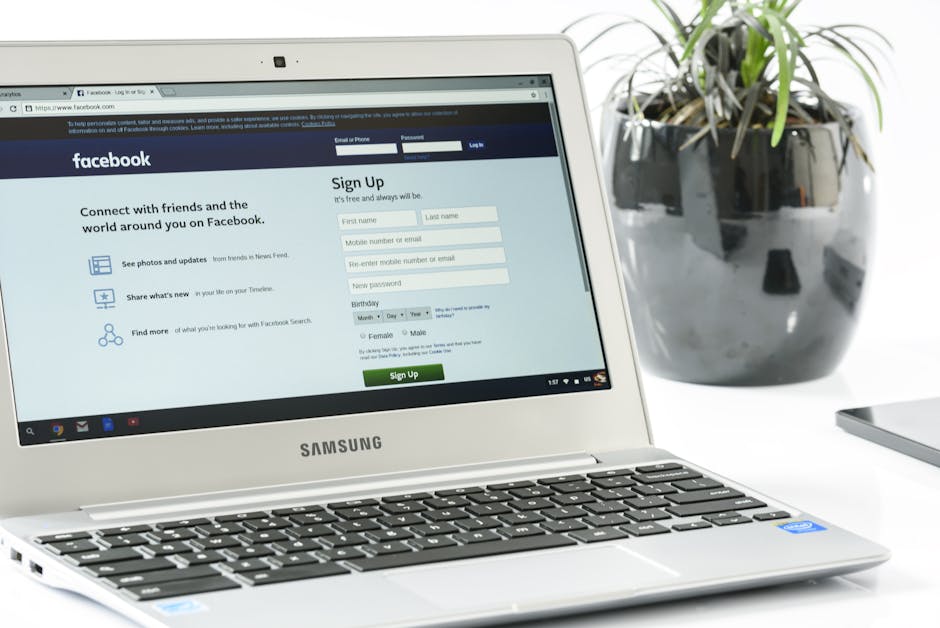
However, this search-driven onboarding is also how scammers capitalize on urgency and confusion. They create fake websites, impersonate officials, or appear as “helpful” intermediaries promising quick solutions if you pay them directly.
- Always verify the full domain name of any website: Is it an official .gov, .edu, or a brand’s verified domain? Many scams use similar-looking URLs with added letters or different top-level domains (e.g., .com.co instead of .com).
- Check search results critically: Sponsored ads or top results aren’t always the safest. Look for official pages and double-check the website’s authenticity before proceeding.
Official Source Verification and Anti-Scam Checks
The most https://enyenimp3indir.net/bingoplus-transaction-rejected-or-reversed-what-should-happen-next/ reliable way to avoid falling victim to scams is to seek transparent information from official sources. If someone contacts you offering faster service for money, verify through direct, official channels:
- Do not rely on unsolicited personal contacts. Avoid sending money to individuals who reach out unexpectedly with payment requests.
- Contact official customer support of the organization responsible for the processing. Use their published phone numbers, emails, or verified website contact forms.
- Search for official announcements or updated processing times on known websites. Many organizations publish expected wait times and any fast-track payment options, if available.
- Use consumer watchdog websites or scam-report databases. They often track known fraud schemes tied to false promises of “faster processing.”
For example, if the offer involves speeding up app approvals or service activations on Android or iOS platforms, check the app store’s official description, developer notes, and user feedback for any signs of fraud. And if it involves government permits or licenses, consult the official agency’s website directly.
APK Installation Safety and Device Settings Hygiene
Ask yourself this: in android ecosystems, some fast-track offers might encourage you to install apk files outside the official google play store to get “special access” or “priority.” this is a red flag:
- Installing APKs from unofficial sources dramatically raises your device’s risk. Malicious APKs can contain spyware, malware, keyloggers, or ransomware.
- The installation flow for APKs usually involves explicit prompts about security risks. Pay attention to these permission prompts; do not override warnings just to speed things up.
- Keep your device’s security settings enabled. Avoid toggling off Play Protect or allowing “Install from Unknown Sources” unless you have verified beyond any doubt the source’s safety.
Remember, official apps and updates will come through the Google Play Store or Apple’s App Store, both of which have rigorous vetting processes to protect users. Bypassing those through side-loading is almost always a bad idea when trying to avoid scams.
Permission Relevance and Contextual Prompts
Another important angle is to scrutinize permission requests during app installations or service onboarding:
- Context matters. If an app or service asks for permissions unrelated to its core functions—such as access to contacts, SMS, or device administration—it might be attempting to misuse your data or control your device.
- Watch out for vague or unclear status labels. Messages like “Processing” or “Pending Approval” with no next step often mask attempts to hurry you into paying or sharing personal info.
- Develop a habit of questioning unnecessary permission prompts. Legitimate apps will provide clear, transparent reasons for each permission and won’t push you to disable security features.
Summary: How to Avoid Personal Contacts for Faster Processing
Tip Reason Action Avoid sending money to strangers High risk of fraud and theft Always verify through official channels Verify website domains carefully Fake websites mimic real ones Check full domain and security certificates Do not sideload APKs from unknown sources Potential malware and spyware infections Only install from official stores like Google Play or Apple App Store Be skeptical of unclear permission requests May indicate misuse of device capabilities Allow only relevant permissions and reject suspicious ones Use official support channels Get accurate information and avoid scams Contact verified customer service numbers and emailsConclusion
When someone promises faster processing in exchange for direct money transfers, your safest bet is to avoid personal contacts altogether and rely strictly on official confirmations. Many scam operations exploit the desire for quicker results by requesting money outside what is otp security of authorized payment systems, hoping to capitalize on your urgency or impatience.

Instead, educate yourself about the typical processing timelines, use trusted sources, carefully vet installation flows if apps or APKs are involved, and never disable security settings to rush the process. By applying these critical checks and maintaining a cautious mindset, you can successfully prevent scams and safeguard your personal and financial information.
Always remember: If it sounds too good to be true, it usually is.
```